Powered by JaroGO, the new platform is purpose-built for HBCU, Divine Nine, professional, and cultural events — and its launch could be the beginning of a broader technology partnership.
There are events that sell tickets, and then there are events that carry culture.
An HBCU homecoming is not simply another weekend on an events calendar. A probate show is not interchangeable with a general-admission concert. Founders Day celebrations, alumni gatherings, scholarship galas, step shows, professional mixers, and chapter events each come with their own traditions, audiences, and operational demands.
That distinction is at the center of YardTixx, a new event ticketing platform created specifically around communities its founders know firsthand.
Developed by SAS Technologies, LLC and Blaqswan, LLC, YardTixx is a culturally informed alternative to one-size-fits-all ticketing platforms, with an emphasis on Historically Black Colleges and Universities, Divine Nine organizations, Black professional networks, and community-driven events.
And behind the technology is another growing story.
The platform is designated “Powered by JaroGO,” reflecting a close development relationship in which JaroGO Media‘s technology team contributed to the application and may open the door to future collaboration between the companies.
Purpose-built for HBCU, Divine Nine, professional, and cultural events.
That phrase may ultimately describe more than YardTixx’s target market. It speaks to the thinking behind the product itself.
Built From Life on the Yard
YardTixx was co-founded by Sean A. Stevenson, founder of Indiana-based technology company SAS Technologies, and William Rogers Jr., founder of strategy and innovation firm Blaqswan.
Both are Kentucky State University alumni.
That shared HBCU background is important to the platform’s origin story because YardTixx was not conceived simply by identifying another category in the event-ticketing market. Its founders looked at the ways organizations within HBCU and Divine Nine communities actually produce events and saw workflows that often required multiple disconnected tools.
Ticketing was one piece. Member access was another. Table assignments, attendee information, event check-in, and post-event accounting could become separate processes altogether.
YardTixx attempts to bring those needs under one roof.
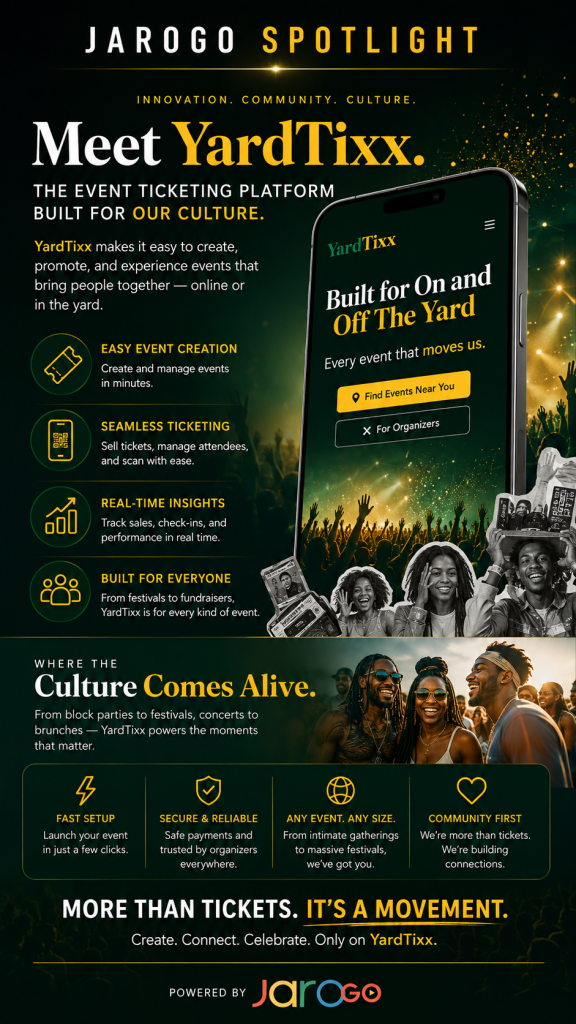
The platform includes member-only ticketing options with access codes, table-package management with individual seat information, mobile event check-in, and tools designed for organizers managing everything from intimate chapter gatherings to large-scale homecoming events.
It also enters a broader Black professional and cultural events market in which the organizer may be an alumni association one weekend, an entrepreneur the next, and a community organization after that.
That is why the company’s positioning extends deliberately beyond the campus.
Technology Designed Around the Event
For attendees, much of the YardTixx experience is designed to feel straightforward: discover an event, purchase a ticket, and arrive ready for entry.
The more significant differences may be on the organizer side.
YardTixx says its mobile check-in application can operate offline, addressing a familiar problem at crowded venues where heavy traffic can make cellular connectivity unreliable just as hundreds or thousands of guests arrive.
Organizers can also track ticket activity, attendee information, and event performance through the platform.
The company says its pay-as-you-go option carries no monthly fee and is priced at 4.5% plus 99 cents per ticket, with funds deposited following completed events according to the platform’s payout terms.
Rather than simply competing on another list of software features, however, YardTixx’s larger proposition is that technology should accommodate the community using it, not require that community to reorganize itself around the technology.
Powered by JaroGO: From Architecture to Execution
The launch also offers a revealing look at a side of JaroGO Media that extends beyond streaming, original programming, and creator distribution.
According to JaroGO CEO Richard DeVaughn, YardTixx came to the company with an architectural framework for the platform, while JaroGO deployed its technology team to help transform that concept into a working application.
“We’re tied in because we developed this application for them based on the architectural framework provided. We deployed our ‘highly capable’ technology team in support of their aims and see potential synergies between us that support both their target markets (HBCUs, D9, and cohort organizations) and our creators in alignment with our ‘Creators 1st’ mission.”
For JaroGO, that makes YardTixx more than an outside platform bearing the company’s name.
It becomes a practical demonstration of JaroGO’s web, application, and software-as-a-service development capabilities.
While the company has become increasingly visible through the growth of its creator-focused media ecosystem, YardTixx provides another example of the technology resources supporting that vision — resources that can also be deployed in partnership with outside businesses.
JaroGO developer Abishek Dey described the project as an opportunity for the team to demonstrate the breadth of those capabilities.
“Building YardTixx has been an incredible opportunity for our team to demonstrate what we’re capable of, from engineering a scalable ticketing platform to creating technology that can connect directly with the HBCU & D9 ecosystem. Being able to power experiences that matter to these institutions and communities makes this project especially meaningful for us.”
The distinction matters.
YardTixx remains the venture created by Stevenson and Rogers through SAS Technologies and Blaqswan. JaroGO’s role is that of a technology development partner, a relationship strong enough that both sides have agreed to publicly identify the platform as Powered by JaroGO.
Infrastructure Can Be Part of the Culture, Too
For years, conversations about ownership in entertainment have largely centered on content.
Who owns the masters? Who owns the film? Who controls distribution? Who has access to the audience?
But the digital economy has added another question:
Who owns and builds the infrastructure through which those audiences gather, transact, and connect?
Ticketing is part of that infrastructure.
For communities that generate substantial economic activity around homecomings, reunions, festivals, professional gatherings, concerts, and cultural celebrations, the technology sitting between the organizer and the audience can become almost as consequential as the event itself.
That places YardTixx within a broader movement toward culturally informed technology products created with, rather than simply marketed to, the communities expected to use them.
The platform’s founders bring their experience inside HBCU culture. JaroGO brings its engineering resources and a growing media-and-technology ecosystem.
The combination gives both companies something potentially more valuable than a single product launch: common ground.

Beyond the Ticket
The immediate objective is clear: get YardTixx into the hands of event organizers.
But there is another story developing alongside it.
DeVaughn’s reference to “potential synergies” between the organizations points toward possibilities that extend beyond software development.
JaroGO’s ecosystem increasingly touches creators, films, digital programming, live experiences, and audience engagement. YardTixx is entering a world of HBCU homecomings, concerts, chapter functions, alumni programming and professional events.
There is natural overlap.
That does not amount to an announcement of another joint venture, and neither company needs to rush one. What it does suggest is that the technology partnership behind YardTixx has established a foundation from which additional opportunities could emerge.
For JaroGO, the project reinforces an increasingly important proposition: the company is not only developing technology for its own ecosystem. Its team can help build platforms for others.
For YardTixx, that technical relationship provides a foundation from which the company can focus on a much more human objective — becoming part of the way its communities gather.
DeVaughn tied that idea back to a larger conversation about ownership.
“YardTixx, like JaroGO, strengthens our community’s desire to expand ownership of media and entertainment-driven services for us and by us.”
And that may ultimately be the more interesting story behind the ticket.
YardTixx is selling access to events.
What its founders and technology partners are trying to build is infrastructure around the communities creating them.
Learn more and explore upcoming events at YardTixx.com.